
Glassware and Materials
Technical notes on specifying laboratory glassware and reagents, from the team that supplies laboratories across Indonesia.
Blog
Articles in this category
How laboratory glass behaves — composition, joints, thermal and chemical limits.
Glassware and Materials · October 15, 2026
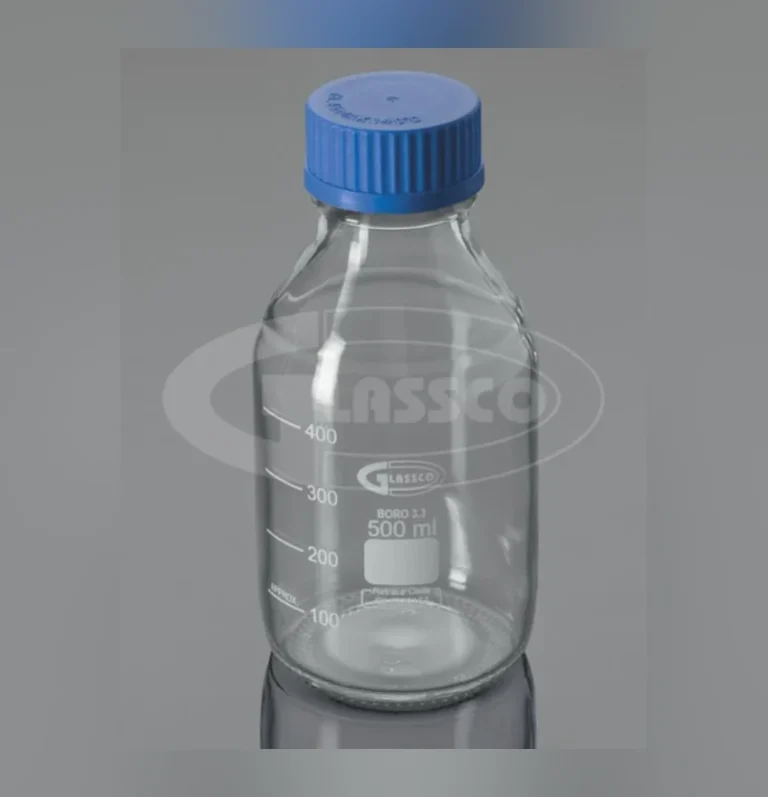
Reagent Bottles: Glass or Plastic, Narrow or Wide Mouth
Glass by default, plastic where the chemistry attacks it. Sizing a bottle to consumption rather than to price, why the cap is part of the specification, and the five fields every storage bottle needs.
Glassware and Materials · August 3, 2026
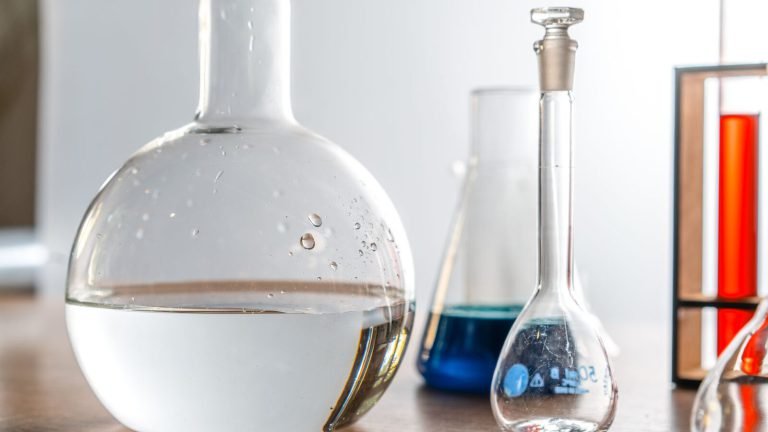
Ground Glass Joint Sizes Explained: What 14/23 and 29/32 Mean
The two numbers are the cone diameter and the ground length in millimetres. Why one flask capacity ships in five different joints, and how to standardise a bench so the glass connects.
Glassware and Materials · April 15, 2026
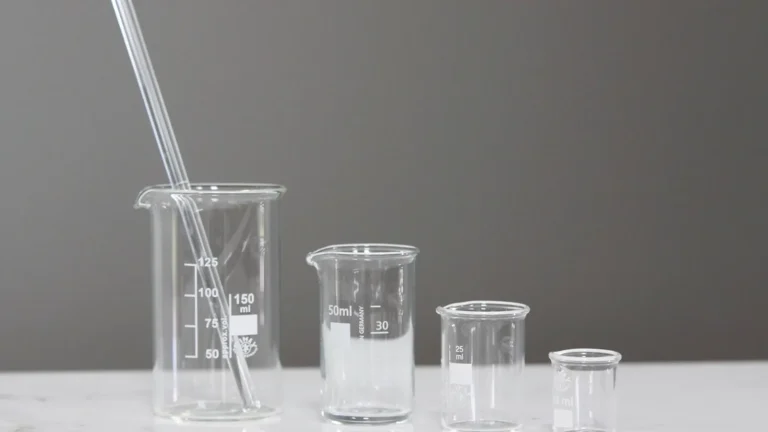
Borosilicate 3.3 vs Soda-Lime Glass: What Boro 3.3 Buys You
Borosilicate expands a third as much as soda-lime, which is why it survives a hotplate and an autoclave. What it resists, what still destroys it, and when plastic is the better answer.
Get expert guidance for your laboratory needs
Trusted for accuracy, consistency, and compliance in all lab applications.
Contact Our Sales