
Selection Guides
Technical notes on specifying laboratory glassware and reagents, from the team that supplies laboratories across Indonesia.
Blog
Articles in this category
Choosing the right instrument class, capacity and tolerance for a method.
Selection Guides · July 15, 2026
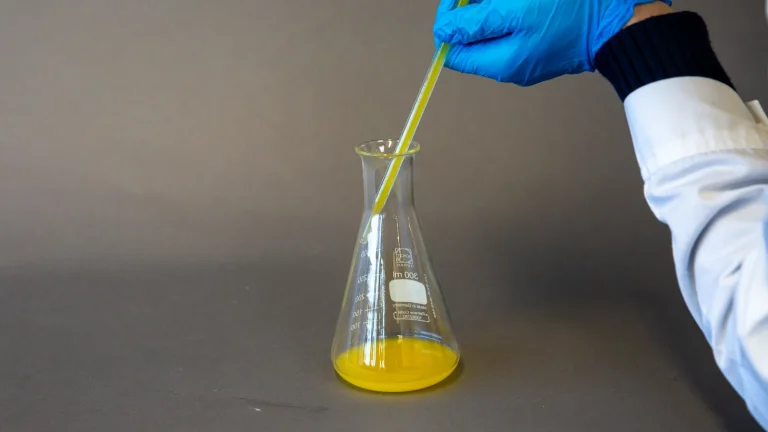
Erlenmeyer Flask Selection: Neck, Closure and Capacity
Pick the neck, not the flask. Narrow against wide neck bore at every capacity, screw cap against ground stopper, and how full a conical flask should actually be.

Selection Guides · July 1, 2026
Volumetric vs Graduated Pipettes: Which One Your Method Needs
Above 5 ml a graduated pipette is two to three times looser than a one-mark pipette. Full tolerance tables for both GLASSCO ranges, colour band codes, and where glass stops being the right tool.
Selection Guides · June 15, 2026
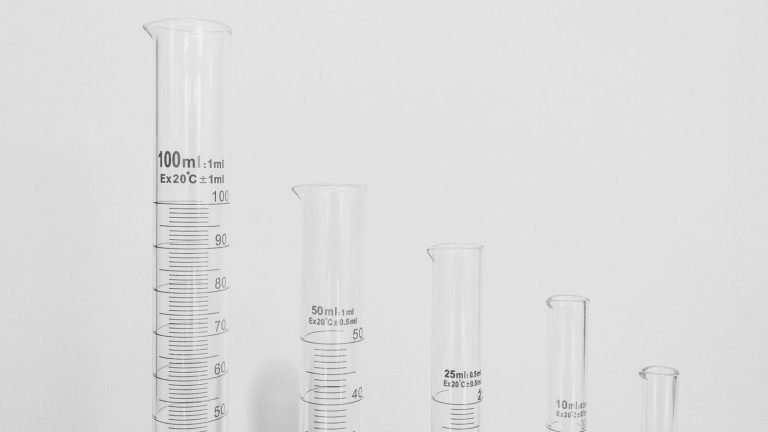
Measuring Cylinder Class A vs Class B: When the Certificate Matters
The nine-capacity tolerance table, why a Class B flask beats a Class A cylinder at every volume, and the cases where the batch certificate actually earns its price.

Selection Guides · June 1, 2026
Burette Class AS vs Class B: What the Tolerance Costs You
Class B is exactly twice the Class AS tolerance. Here is what that means as a percentage of your titre, why division is not tolerance, and when Schellbach or PTFE is worth paying for.

Selection Guides · May 15, 2026
Volumetric Flask Class A vs Class B: Which Tolerance Does Your Lab Actually Need?
Class B tolerance is exactly twice Class A. Here is the capacity-by-capacity data, a procurement decision table, and the ISO 4787 method for verifying a flask you already own.
Selection Guides · May 1, 2026
Laboratory Glassware Accuracy Classes: Class A, AS and B Explained
Class A, AS and B compared across flasks, burettes, pipettes and cylinders — with the real GLASSCO tolerance figures, and why the same class means five times the error on a cylinder.
Get expert guidance for your laboratory needs
Trusted for accuracy, consistency, and compliance in all lab applications.
Contact Our Sales