
Laboratory Guides & Technical Notes
Technical notes on specifying laboratory glassware and reagents, from the team that supplies laboratories across Indonesia.
Blog
Practical guidance for laboratory procurement
Written for the people who actually specify and order laboratory glassware: procurement officers, QC analysts and lab managers. Every figure quoted comes from a published standard or from our own catalogue data.
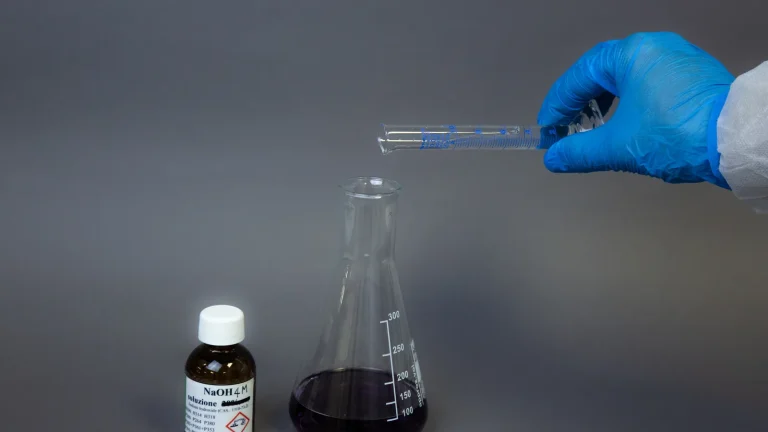
Reagents and Chemicals · September 3, 2026
Reagent Storage and Shelf Life in a Tropical Laboratory
A certificate describes the day of release. Segregation by hazard class, humidity in a tropical store room, open-bottle dating, and the quarterly check that catches the rest.
Reagents and Chemicals · September 1, 2026
ACS, ISO and Ph. Eur.: What a Reagent Certification Guarantees
The marks after a grade name say whose published specification the batch also meets. How to read a real label, what a lot-specific certificate of analysis must show, and when the mark is mandatory.
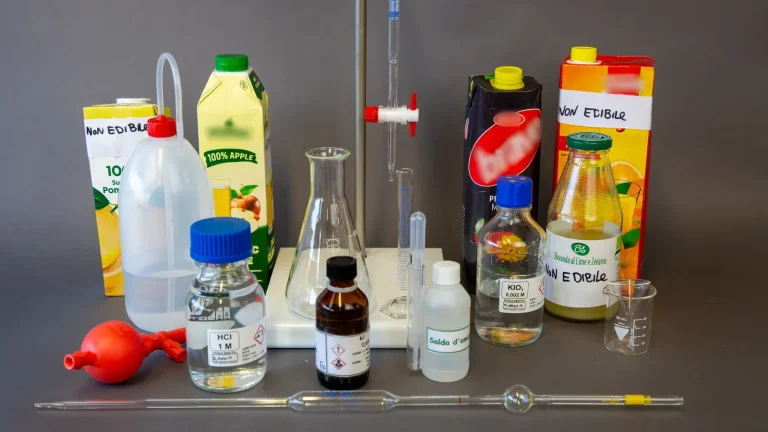
Reagents and Chemicals · August 17, 2026
Analytical Reagent Grades: EMSURE, LiChrosolv and What They Guarantee
A grade is a specification, not a purity figure. What EMSURE, LiChrosolv, Suprapur, Certipur and Titripur each control, and how to match a grade to a method.
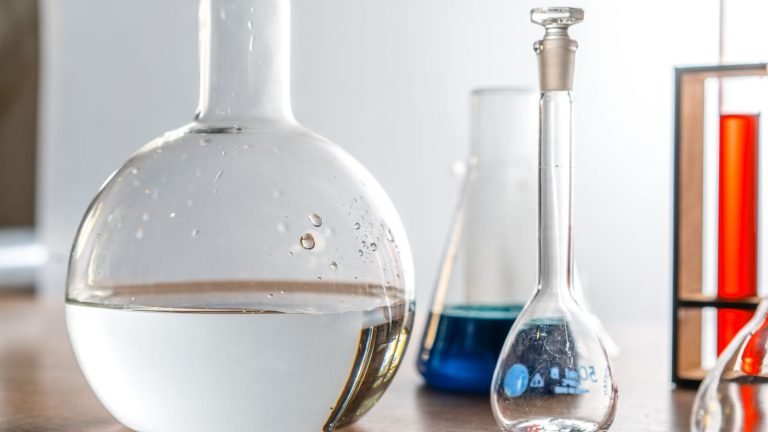
Glassware and Materials · August 3, 2026
Ground Glass Joint Sizes Explained: What 14/23 and 29/32 Mean
The two numbers are the cone diameter and the ground length in millimetres. Why one flask capacity ships in five different joints, and how to standardise a bench so the glass connects.
Selection Guides · July 15, 2026
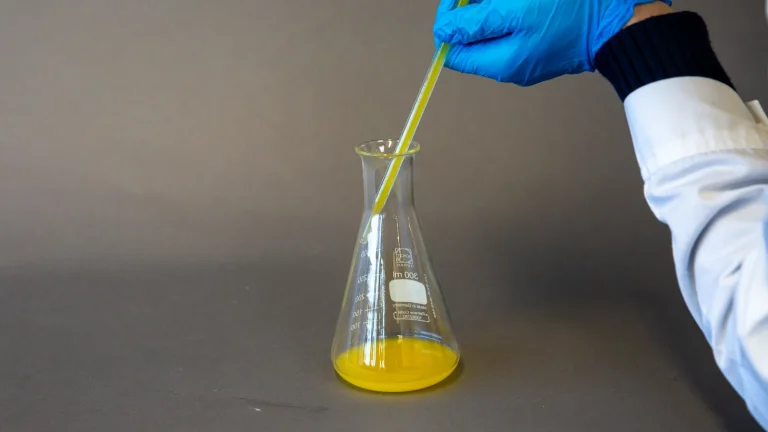
Erlenmeyer Flask Selection: Neck, Closure and Capacity
Pick the neck, not the flask. Narrow against wide neck bore at every capacity, screw cap against ground stopper, and how full a conical flask should actually be.
Selection Guides · July 1, 2026
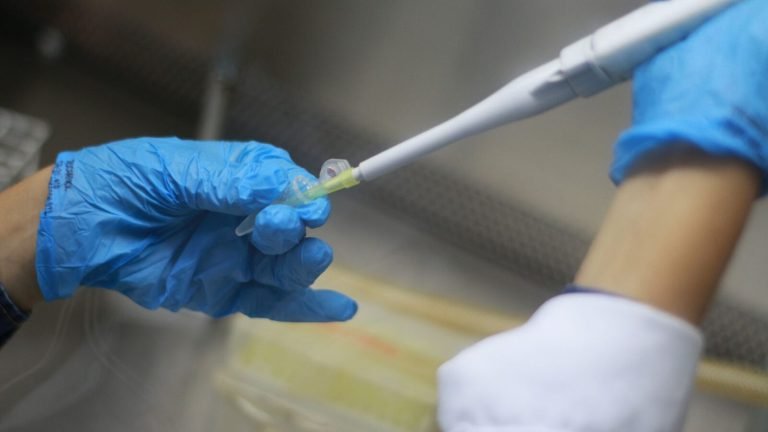
Volumetric vs Graduated Pipettes: Which One Your Method Needs
Above 5 ml a graduated pipette is two to three times looser than a one-mark pipette. Full tolerance tables for both GLASSCO ranges, colour band codes, and where glass stops being the right tool.
Selection Guides · June 15, 2026
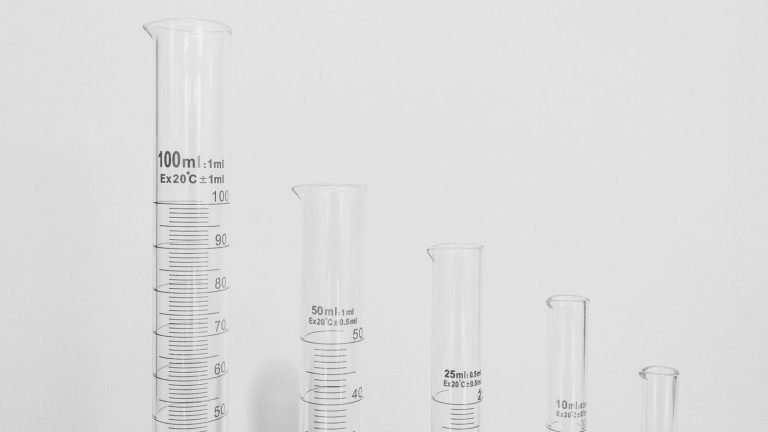
Measuring Cylinder Class A vs Class B: When the Certificate Matters
The nine-capacity tolerance table, why a Class B flask beats a Class A cylinder at every volume, and the cases where the batch certificate actually earns its price.
Selection Guides · June 1, 2026
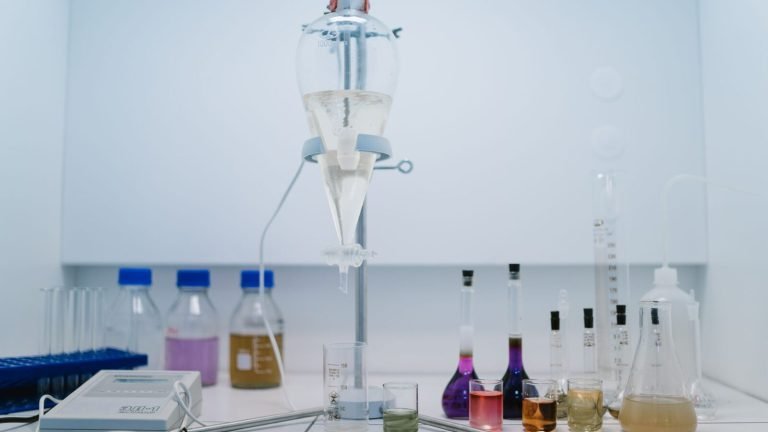
Burette Class AS vs Class B: What the Tolerance Costs You
Class B is exactly twice the Class AS tolerance. Here is what that means as a percentage of your titre, why division is not tolerance, and when Schellbach or PTFE is worth paying for.
Selection Guides · May 15, 2026
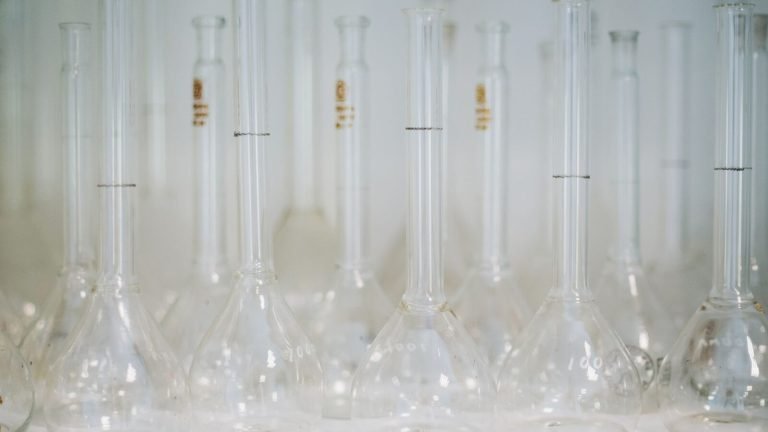
Volumetric Flask Class A vs Class B: Which Tolerance Does Your Lab Actually Need?
Class B tolerance is exactly twice Class A. Here is the capacity-by-capacity data, a procurement decision table, and the ISO 4787 method for verifying a flask you already own.
Get expert guidance for your laboratory needs
Trusted for accuracy, consistency, and compliance in all lab applications.
Contact Our Sales